 |
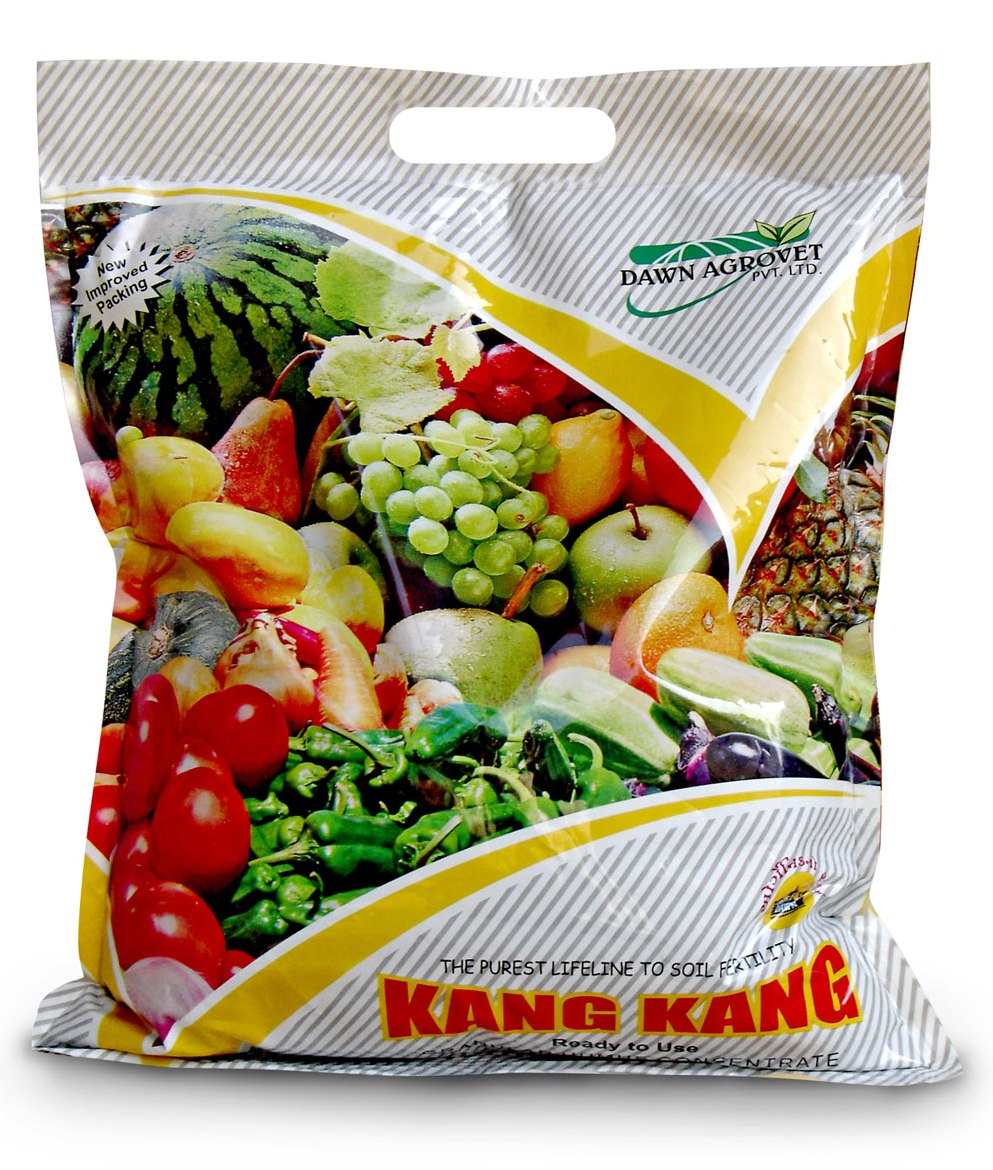
· Increased water and nutrient holding capacity. · Increased aeration of soil. · Improved soil workability. · Reduced Soil erosion. · Improved drought tolerance. · Holds exchangeable plant nutrients –Has a high Base Exchange capacity - an important base for soil fertility concepts. · Affects the release of plant nutrients through slow decomposition by organisms, especially nitrogen release. · Stimulates existing soil bacteria. · Makes soil more friable or crumbly. · The problem of weed rowing is very much reduced almost nill. · Stimulates growth and proliferation of desirable micro –organisms in soil. · Increases root respiration and root formation. · Promotes the development of Chlorophyll, sugars and amino acids in plants and aids in photosynthesis. · Increases vitamin and mineral content of plants. · Increases germination and viability of seeds. · Increase the quality of yields; increase their physical appearance and nutritional value. · Reduces the cost of other fertilizers, herbicides and pesticides. · Lessen the cost of using methods to remove weeds from the plants.
|
DOSAGE: 5kg - 8kg per all crops. 20-75 grams per plant (twice / thrice) depending upon the Type,Size and Age. 7-10 kg per Acre (Thrice during the season) fer fisheries. APPLICATION: As Basal Dose during final Land Preparation or as Top Dress COMPABILITY: May be broadcadted alone or with any fertilizer,Sand or other medium.
|

